
HVAC · Gilbert, AZ
Furnace and Heating Repair in Gilbert & the East Valley
Arizona winters are short, which is exactly why heating problems catch people off guard. Your furnace or heat pump sits unused for most of the year, then gets asked to work on the first genuinely cold morning. Sunset Home Services diagnoses gas furnaces and heat pumps for Gilbert and East Valley homeowners, then repairs what is actually failing.
What’s included
- Gas furnace and heat pump heating repair
- No-heat and weak-heat diagnosis, including ignition and airflow faults
- Safety checks on gas connections, flame sensing, and the heat exchanger
- Heat pump defrost, reversing valve, and auxiliary heat testing
- Pre-season heating tune-ups and burner cleaning
- Free estimates and second opinions with pricing you approve first
- 5.0 Google rating
- 170 local reviews
- BBB Accredited
- Family-owned & operated
- Licensed, bonded & insured
- Fast emergency response
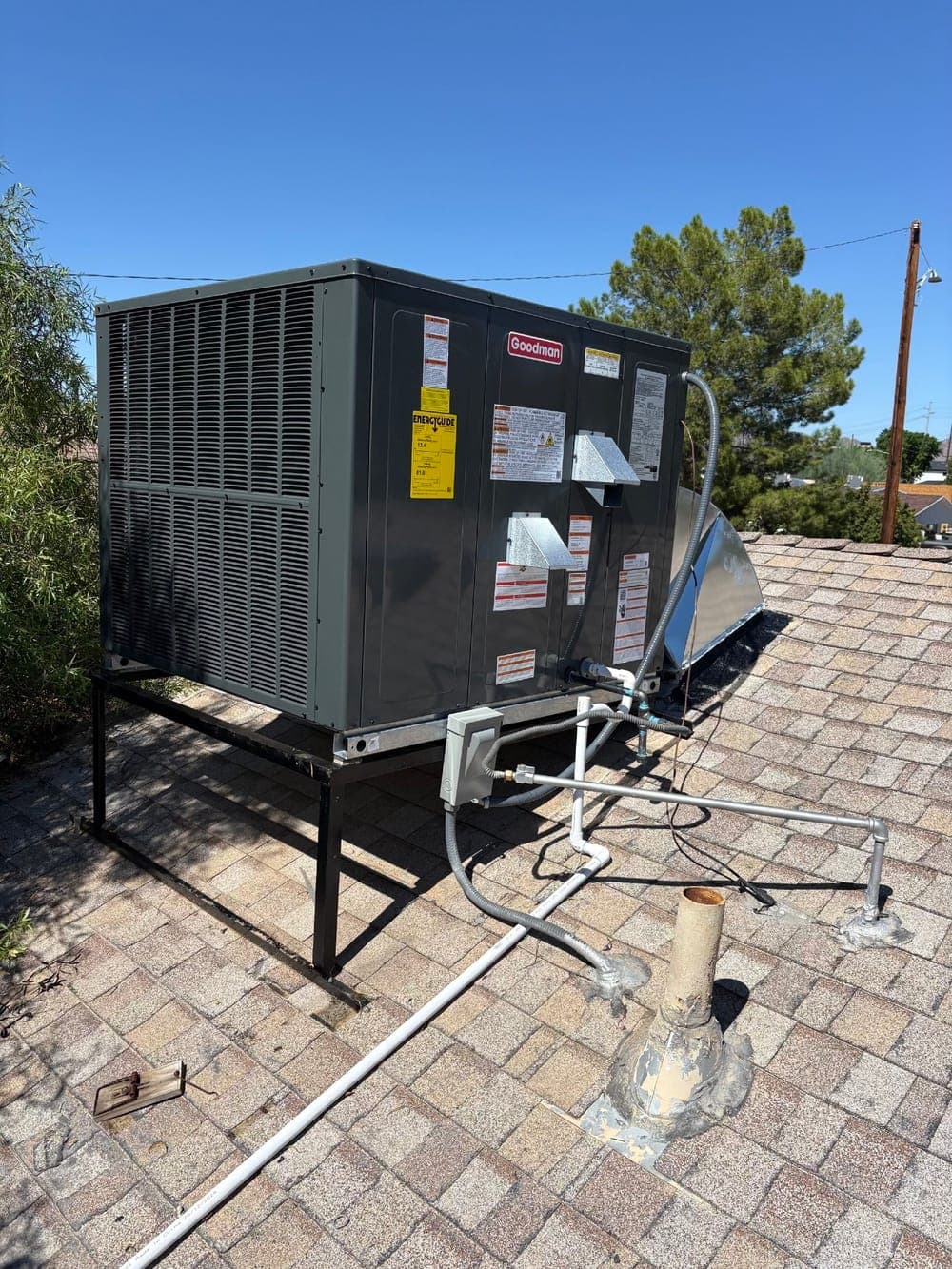
Furnace & Heating Repair
Furnace & Heating Repair in Gilbert & the East Valley
Heating repair covers everything that keeps your home warm when a cold front actually arrives: gas furnaces, heat pumps running in heating mode, the thermostat that controls them, and the airflow that carries the heat through the house. Sunset Home Services works on both system types for Gilbert and East Valley homeowners, and we start every call by finding the real cause instead of quoting a replacement.
Heating fails differently here than it does in colder states, and the reason is how little it runs. A furnace in the East Valley might see a few hundred hours of use a year, sitting idle through eight or nine months of heat and dust. Dust settles on the flame sensor and burners, capacitors and ignitors age quietly, and rodents and debris find their way into equipment nobody has opened since spring. Nothing announces itself until the first cold night, which is why so many no-heat calls arrive on the same weekend.
Which system you have shapes the repair. Newer builds across Gilbert, Queen Creek, and San Tan Valley often use a heat pump, the same outdoor unit that cools in summer simply running in reverse, so a heating complaint can turn out to be a refrigerant, reversing-valve, or defrost problem rather than anything to do with a burner. Older homes and many Sun Lakes and Apache Junction properties run a gas furnace, where ignition, flame sensing, and safe combustion are the usual suspects. We identify what you actually have before we diagnose it.
Every repair
$0 Service Call With Any Repair
Choose the repair and the service call costs you nothing.
Warning signs
Signs you may need furnace & heating repair
If any of these sound familiar, it is worth an honest look before a small issue becomes a big one.
- No heat at all, or the system runs but blows cool or lukewarm air
- The furnace lights briefly then shuts back off within a minute or two
- A burning or dusty smell that does not clear after the first few cycles
- Short cycling, or heat that never quite reaches the thermostat setting
- Banging, rattling, or grinding when the system starts up
- A heat pump stuck in defrost, or running constantly on auxiliary heat
Need furnace & heating repair in Gilbert?
Same-day appointments available when the schedule allows. We diagnose first, give upfront pricing, and recommend the repair when a repair makes sense.
The details
What to know about furnace & heating repair
Why heating fails after sitting idle all summer
The single most common reason a furnace will not start in Arizona is a dirty flame sensor. It is a thin metal rod that confirms a flame is actually present, and the control board shuts the gas off within seconds if it cannot sense one. Eight months of dust settling on that rod is enough to break the signal, so the furnace lights, runs for a few seconds, then shuts down and tries again. Cleaning the sensor is a routine repair, not a replacement. The same idle period also degrades ignitors, lets debris collect in burners, and hides the fact that a capacitor has been weakening since last winter. This is exactly why a pre-season check finds problems cheaply, in October rather than at 6am in January.
Gas furnace repair and combustion safety
On a gas furnace we work through the sequence the system itself follows: thermostat call, inducer motor, pressure switch, ignitor, gas valve, flame sensing, then blower. Following that order tells us where the chain actually breaks rather than guessing. Safety checks are not optional on gas equipment, so we inspect the heat exchanger for cracks, confirm the flue is clear and venting properly, and verify gas connections are sound. If we find a cracked heat exchanger we will tell you plainly, because that is a genuine safety issue and one of the few times replacement really is the right answer. If your home has a gas furnace, working carbon monoxide detectors matter, and we would rather you hear that from us.
Heat pumps in heating mode, and why they feel different
A heat pump does not create heat by burning fuel. It moves heat from the outdoor air into your home, which is efficient but means the air from your vents feels cooler than furnace air, often closer to body temperature. That is normal and not a fault, and it is one of the most common things homeowners call about. Real heat pump faults look different: a reversing valve that will not switch the system out of cooling mode, a defrost cycle that runs too often or not at all, low refrigerant, or a system leaning on auxiliary electric heat far more than it should. That last one shows up on the power bill before it shows up in comfort, so we test the whole heating sequence rather than just confirming warm air arrives.
Repair or replace, and how we think about it
Most heating calls end in a repair, and that is genuinely what we recommend when the fix is safe and the system has life left. Ignitors, flame sensors, capacitors, contactors, thermostats, and pressure switches are all straightforward parts. Replacement earns serious consideration in a narrower set of cases: a cracked heat exchanger, a failed compressor on a heat pump, or a system old enough that the repair cost is approaching a meaningful share of a new one. Because most Arizona homes use the same outdoor equipment for cooling, a heat pump decision in winter is really a year-round decision, and we will say so rather than treating heating and cooling as separate purchases. If another company has already told you to replace, a second opinion costs you nothing.
How it works
How Sunset handles furnace & heating repair
No pressure. No guessing. No surprise upsells.
- 1
Confirm what you actually have
We identify whether you are running a gas furnace, a heat pump, or a dual-fuel setup before diagnosing anything, because the same complaint means very different things across those three.
- 2
Follow the heating sequence
We work the startup sequence in order, testing the thermostat call, ignition or reversing valve, flame sensing or refrigerant behavior, and airflow, so we find where the chain breaks instead of guessing.
- 3
Check safety, not just function
On gas equipment we inspect the heat exchanger, flue, and gas connections. Getting heat back on is not enough if the system is not safe to run.
- 4
Explain the options before we work
We show you what we found, give you the repair option and its cost, and let you approve it before anything happens. No scare tactics and no surprise upsells.
- 5
Verify heat across the house
We confirm the system holds the thermostat setting, cycles correctly, and delivers heat to the rooms, not just the hallway vent nearest the equipment.
Why Sunset
Why homeowners choose Sunset
- Fast local responseWe're based right here in the East Valley, so help arrives quickly, including urgent AC and plumbing calls.
- Straightforward quotesUpfront, transparent pricing before work begins. No surprise upsells, ever.
- Repair-first second opinionsWe recommend the repair when a repair makes sense, and only replace what truly needs it.
- Plumbing + HVAC in one callOne trusted local team for both your plumbing and your heating and cooling.
- Licensed Arizona contractorLicensed, bonded, and insured, ROC #352779 and #359549, for your protection.
- Real 5-star reviewsA 5.0 Google rating from local homeowners who trust us with their homes.
Explore more
Related HVAC services
Answers
Furnace & Heating Repair FAQs
Common questions about furnace & heating repair in Gilbert and the East Valley. Still not sure? Call (480) 599-5086.
Why does my furnace turn on then shut off after a few seconds?
That pattern almost always points to flame sensing. The furnace lights, but a dirty or failing flame sensor cannot confirm the flame, so the control board shuts the gas off as a safety measure and retries. After an Arizona summer of sitting idle, dust on the sensor is the most common cause we find, and cleaning it is a routine repair rather than a replacement. If the sensor is clean and it still happens, we look at the ignitor, gas valve, and pressure switch next.
Why does the air from my heat pump feel cool even when the heat is on?
Heat pump air is normally cooler than furnace air, often around body temperature, because a heat pump moves heat rather than burning fuel to create it. It feels lukewarm on your hand while still warming the house properly. It becomes a real problem when the system cannot hold the thermostat setting, runs constantly on auxiliary heat, or blows genuinely cold air, which can mean a reversing valve, defrost, or refrigerant fault worth diagnosing.
Do you repair both gas furnaces and heat pumps?
Yes. Sunset Home Services repairs gas furnaces and heat pumps running in heating mode, along with the thermostats and ductwork that affect both. Many newer Gilbert and Queen Creek homes use heat pumps while older homes often have gas furnaces, so we confirm which system you have before diagnosing it.
My furnace smells like burning the first time I run it. Is that normal?
A dusty or burning smell during the first cycle or two of the season is usually dust burning off components that sat unused all summer, and it should clear within a few cycles. What is not normal is a smell that persists, a sharp electrical or plastic odor, or any smell of gas. If you smell gas, leave the house and call your gas utility first, then call us.
When should I schedule a heating tune-up in Arizona?
Fall is the right window, before the first genuine cold snap. Because heating equipment here sits idle most of the year, a pre-season check is where dirty flame sensors, weak ignitors, and aging capacitors get caught cheaply instead of turning into a no-heat call on the coldest night. It is also a good time to confirm a heat pump switches into heating mode correctly.
Is a cracked heat exchanger really a reason to replace the furnace?
Usually yes, and it is one of the few times we will lead with replacement. A cracked heat exchanger can let combustion gases into the air your home circulates, which is a genuine safety issue rather than an efficiency one. We show you what we found before recommending anything, and if you want a second opinion on a diagnosis like this, from us or anyone else, we think you should get one.
Do you offer second opinions on heating replacement quotes?
Yes, and they are free. If another company has told you a furnace or heat pump needs full replacement, we are glad to take an honest look first. Sometimes the diagnosis holds up and we say so. Often a targeted repair is the smarter move, and we would rather earn a long-term customer than win a single oversell.
Do you serve my area for heating repair?
We handle heating repair across Gilbert, Chandler, Mesa, Queen Creek, San Tan Valley, Tempe, Apache Junction, Ahwatukee, Sun Lakes, and the surrounding East Valley. Calling (480) 599-5086 is the fastest way to reach us when your home has no heat.
Need furnace & heating repair in Gilbert?
Call Sunset Home Services for fast, honest service from a licensed local team. We diagnose the issue, explain your options clearly, and recommend the repair when a repair makes sense.
$0 service call with any repair • Free second opinions • Gilbert & East Valley service